
Absorb Additive R80 Zinc Ricinoleate Deodorant Raw Material For Formaldehyde And Odor Removal
 admin
adminProduct Description
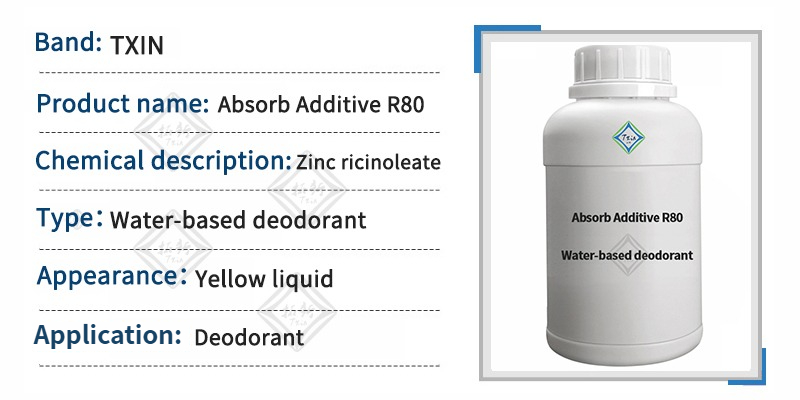
Physical and chemical properties
Product Name: Absorbing Additive R80 Brand: PiaoxinChemical description: Zinc ricinoleate
Type: Water-based deodorant
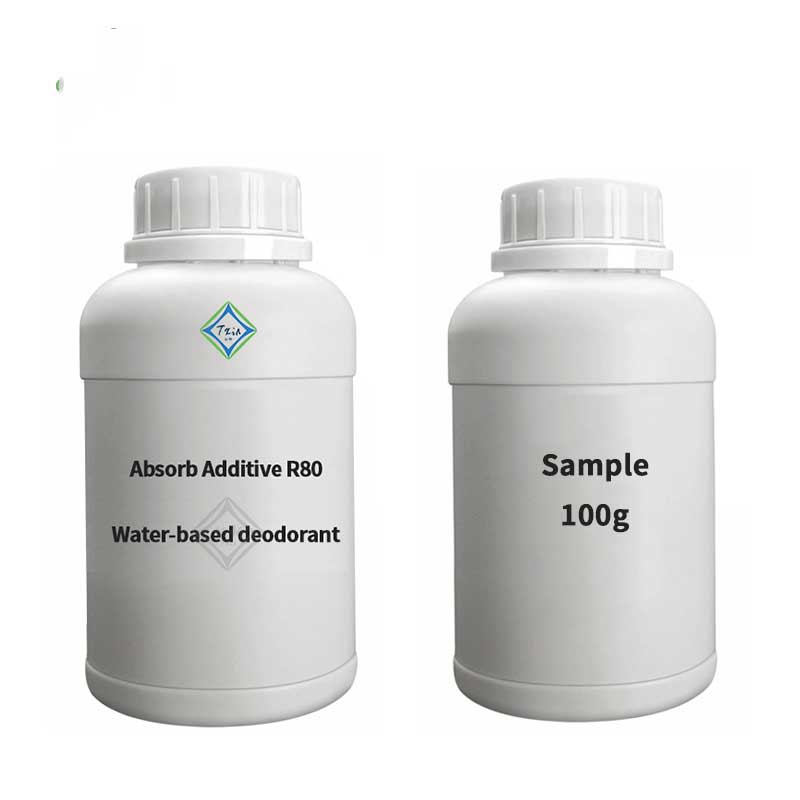
Product real picture
Product features
Absorb Additive R80 is a highly effective deodorant based on zinc ricinoleate. The product neutralizes odorous organic molecules through coordination bonds, reducing the concentration of odors in the air, thereby achieving the effect of eliminating odors.
Absorb Additive R80 is a high-concentration water-based deodorant, which can be diluted in any ratio and has good stability
Absorb Additive R80 is a broad-spectrum odor neutralizer, which has a strong removal effect on a variety of odors
Based on aldehyde/ketone: formaldehyde, butyraldehyde, furfural, pyridine, etc
Based on acids: formic acid, acetic acid, butyric acid, isovaleric acid, etc
Based on sulfur: hydrogen sulfide, mercaptan, thioether, etc
In addition, it also has excellent removal effect for ammonia, formaldehyde, benzene and TVOC
Absorbing Additive R80 is compatible with most fragrances.
Absorb Additive R80 belongs to reactive deodorization, which can completely remove odors and easily form a polymer sealing film on the surface of objects, effectively inhibiting the generation of odors.
Application field




Home deodorization:
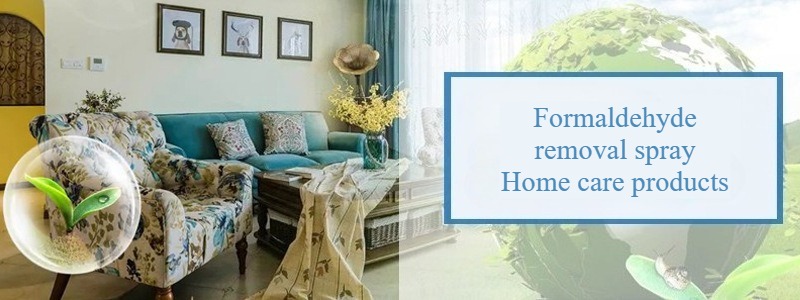
Deodorant for newly renovated homes, hotels, and car interiors
Kitchen and bathroom hard surface deodorant
Commercial deodorization:
Office aisles, offices and training institutions deodorant
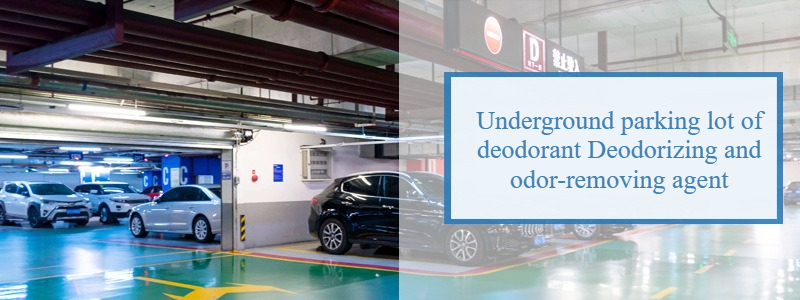
Deodorant for entertainment venues, shopping malls and underground parking lots
Industrial deodorization:
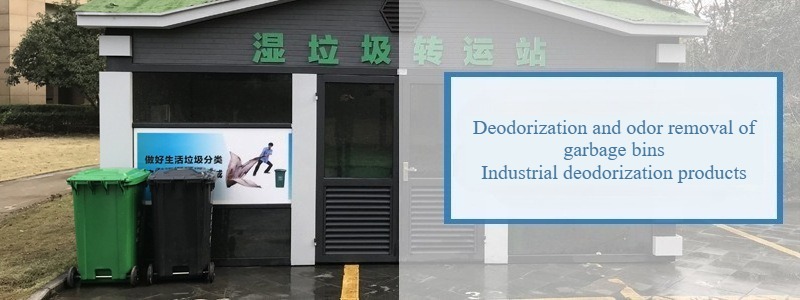
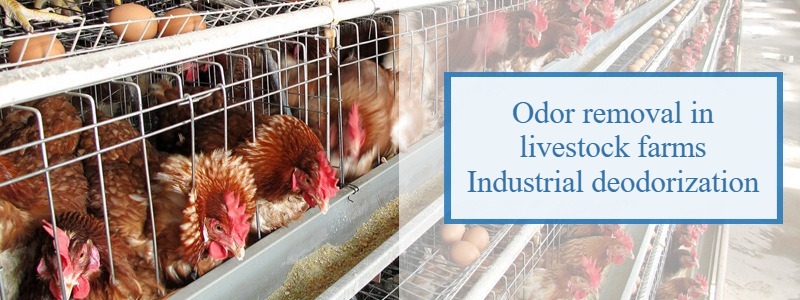
Farm odor control
Food processing plant taste control
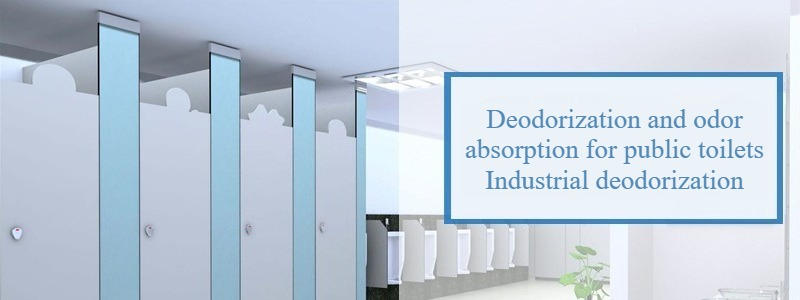
Odor control in public toilets and landfill plants
Specifications and Storage
Dangerous goods grade
Classification and labeling in accordance with relevant transport and hazardous substances regulations
Storage, protective measures and handling
Measures to prevent accidents and fires
Toxicity and ecological effects