
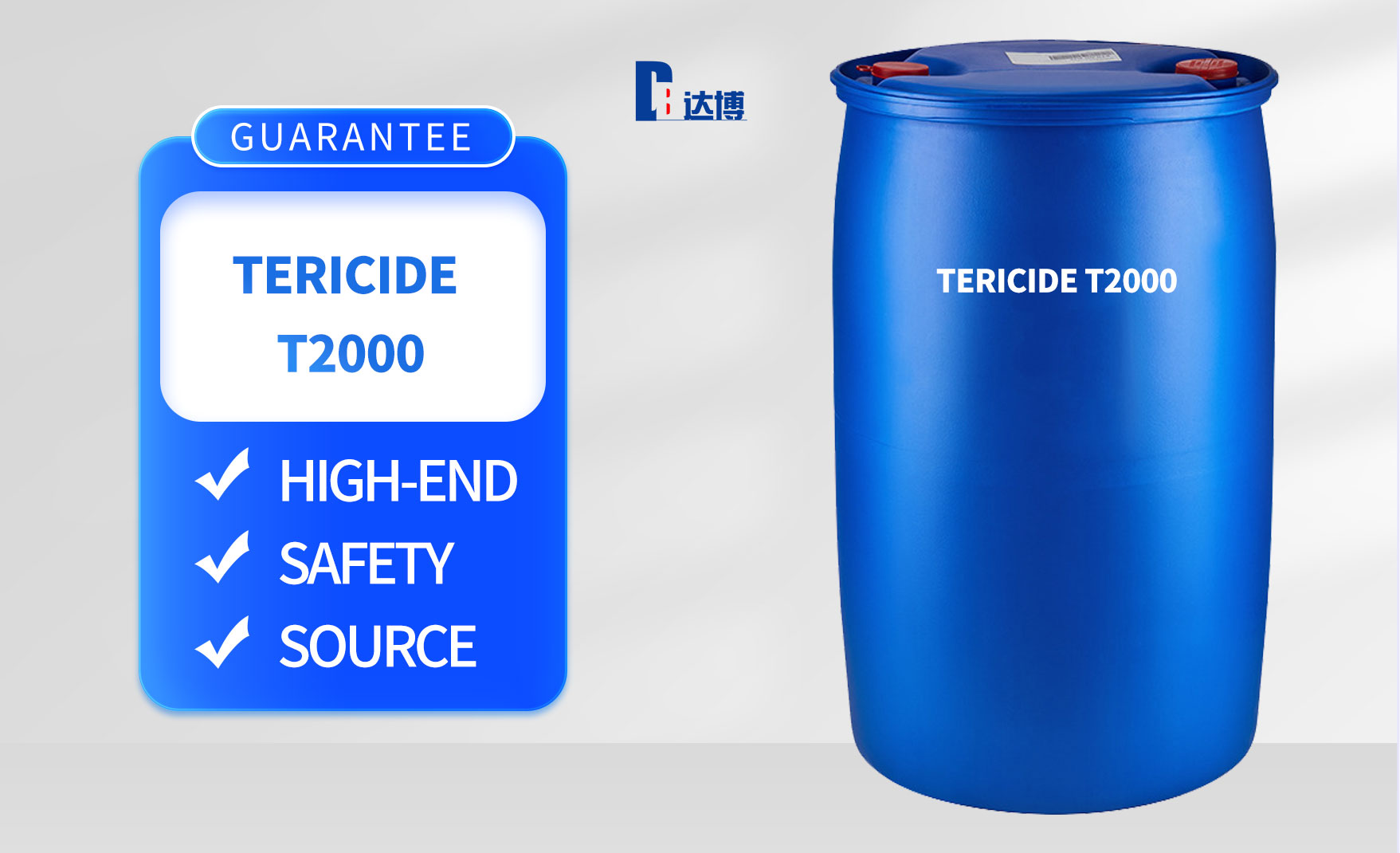

Product Description
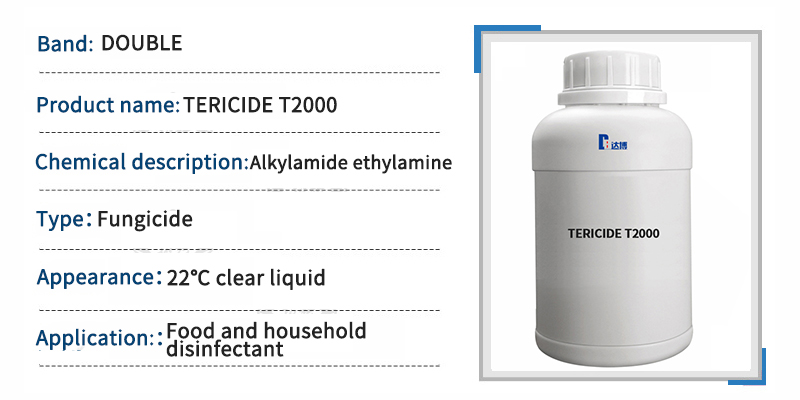
Physical and chemical properties
Product Name: T2000
Brand: DOUBLE
Chemical description: Alkylamide ethylaminic acid
Type: Amphoteric surfactant, total solids content: about 10% active EC 2032/2003 standard
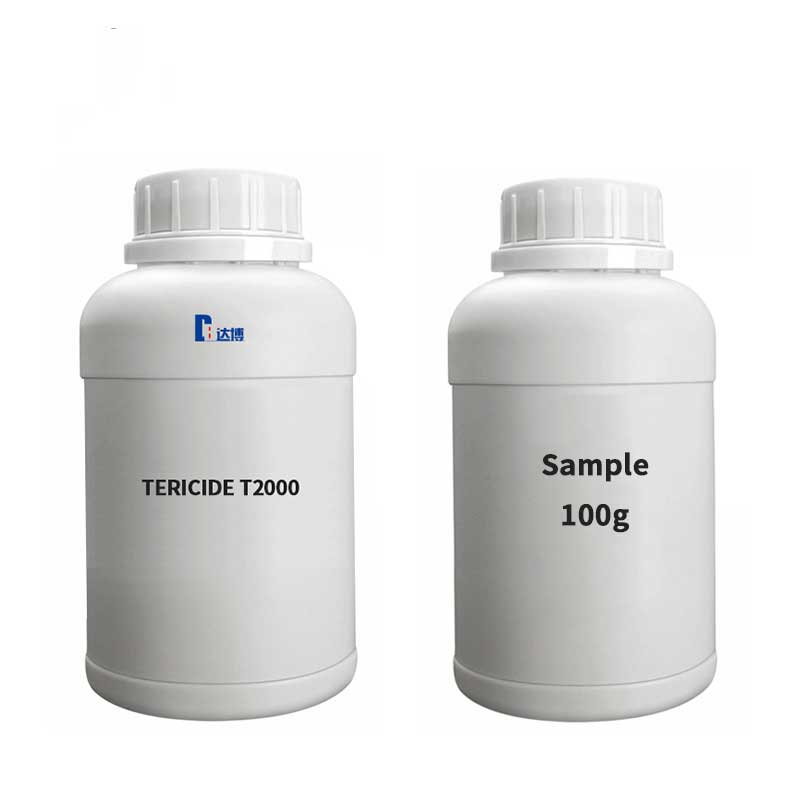
Product real picture
Product features
Tuoxin Chemical N-Alkylpropylaminoglycine High Concentrated Fungicide T2000 Amphoteric Surfactant
T 2000 is a special amphoteric surfactant water-based fungicide. It is a neutral, low-tasting, surfactant-type fungicide raw material. It can dissolve oils and fats, has good decontamination ability and is suitable for various materials. T 2000 does not contain aldehyde and active chlorine alkali components.
The T 2000 can provide:
● Low usage
● No pollution
● Broad-spectrum sterilization
● Full spectrum efficacy
● Safe and reliable
● Biodegradable
● Mixed high-efficiency sterilization
● Good cleaning ability
● Resistant to hard water and organic matter
● Maintain high activity at low temperatures
● Good biodegradability
Can be compounded with cationic, anionic, nonionic and amphoteric surfactants
Registered in the European Biocidal Products Directive (BPD, 98/8/EC) personal and public health applications, veterinary hygiene, food and feed application fields, certified in accordance with the European Union Detergent Regulation (EC 648/2004)
Maximum sterilization efficiency 6-9.5 pH range
Even at lower ambient temperatures (e.g. 10 ° C) and higher protein contamination, its sterilization efficiency will not be affected
No irritation to the skin under the concentration of use, no corrosion to the surface of most materials, safe and environmentally friendly
Good wettability, can quickly spread and penetrate into voids, leaving no sterilization dead ends
Due to its zwitterionic type, it can be well compatible with non-ionic, cationic, and zwitterionic surfactants, as well as appropriate amounts of non-oxidizing acids, bases, and electrolytes (be careful to avoid blending with anionic surfactants).
Application field
T2000 is a water-based broad-spectrum fungicide
Safe and reliable
Excellent biodegradability
low usage
Resistant to hard water and organic matter
Can be combined with cationic, nonionic and amphoteric surfactants
In the dirty environment of low temperature and high protein, it still has excellent disinfection and sterilization effects.
T2000 is a neutral, low-irritating fungicide raw material. As an amphoteric surfactant, it can dissolve oils and fats, has good decontamination ability, and is suitable for various materials. T2000 does not contain alaldehyde and active chlorine base components.
T 2000 sterilization range includes: Staphylococcus albicans ATCC8799, Candida albicans ATCC10231, Pseudomonas aeruginosa CCTCC9027, Escherichia coli BL21 (DE3), hepatitis B virus HBV, HIV, rotavirus Rota-WA, β-coronavirus (typical representatives: bovine coronavirus BCV, SARS virus Sars Cov), avian influenza virus BFV, Staphylococcus aureus CCTAB CC 91118, Salmonella ATCC14028, influenza A/PR/8/34H1N1, poliovirus, Geotrichum albicans, Aspergillus niger, etc. have good killing effects
The active bactericidal substance of T2000 had no significant effect on protein.
The combination of T2000 and chelating agent can enhance the bactericidal activity of the formulation.
T2000 is also suitable for killing and inhibiting black mold, moss, and algae that grow indoors or outdoors in humid environments.
T2000 cannot be combined with anionic surfactants.
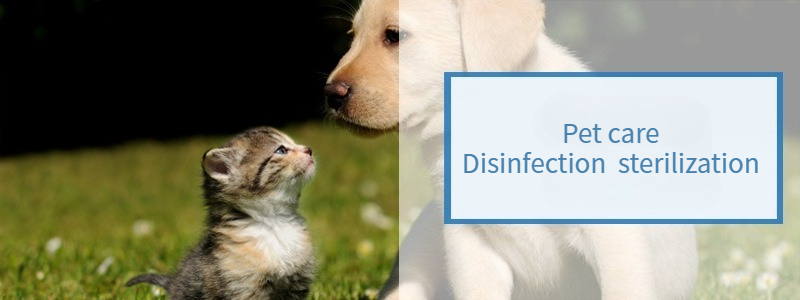
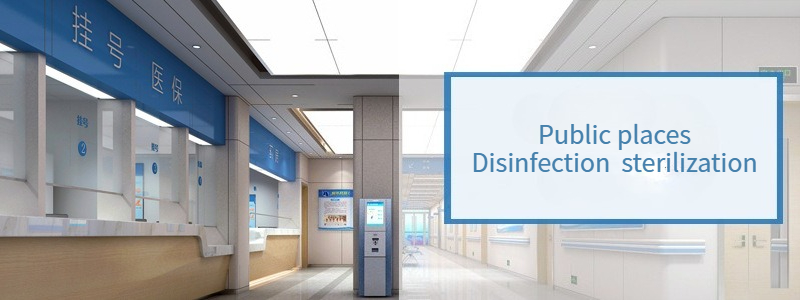
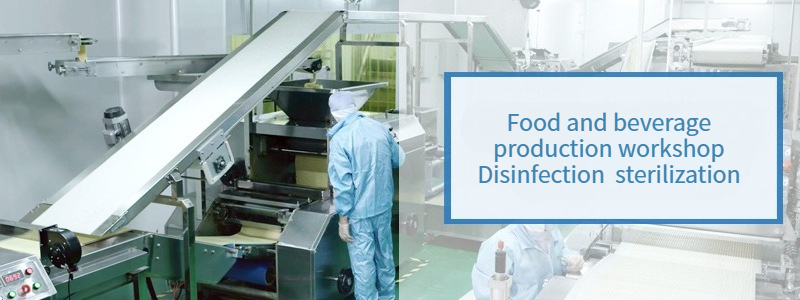
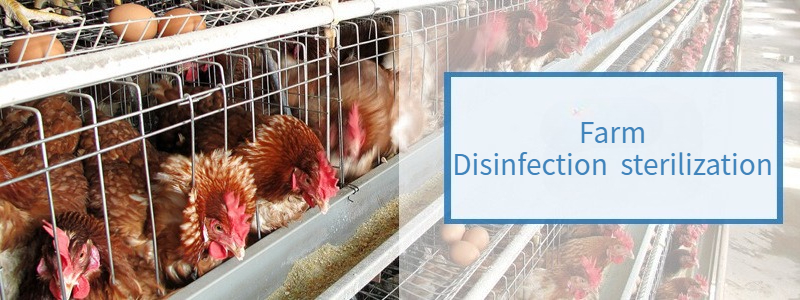

T2000 applies to product categories:
Disinfection of contact bacteria in public places such as hospitals, hot springs, swimming pools, etc
Sterilization and disinfection of livestock houses or transportation vehicles, and sterilization and disinfection of livestock and pets
Fungicides for the food processing industry, such as the production and processing of dairy products, the cleaning and sterilization of food production process equipment
Specifications and Storage
This product is stored in sealed original packaging at 20 ° C to 30 ° C for at least 36 months.
Temperatures below 0 ° C may be destroyed.
Dangerous goods grade
Classification and labeling according to relevant transport and hazardous substances regulations
Storage, protective measures and handling
Measures to prevent accidents and fires
Toxicity and ecological effects